

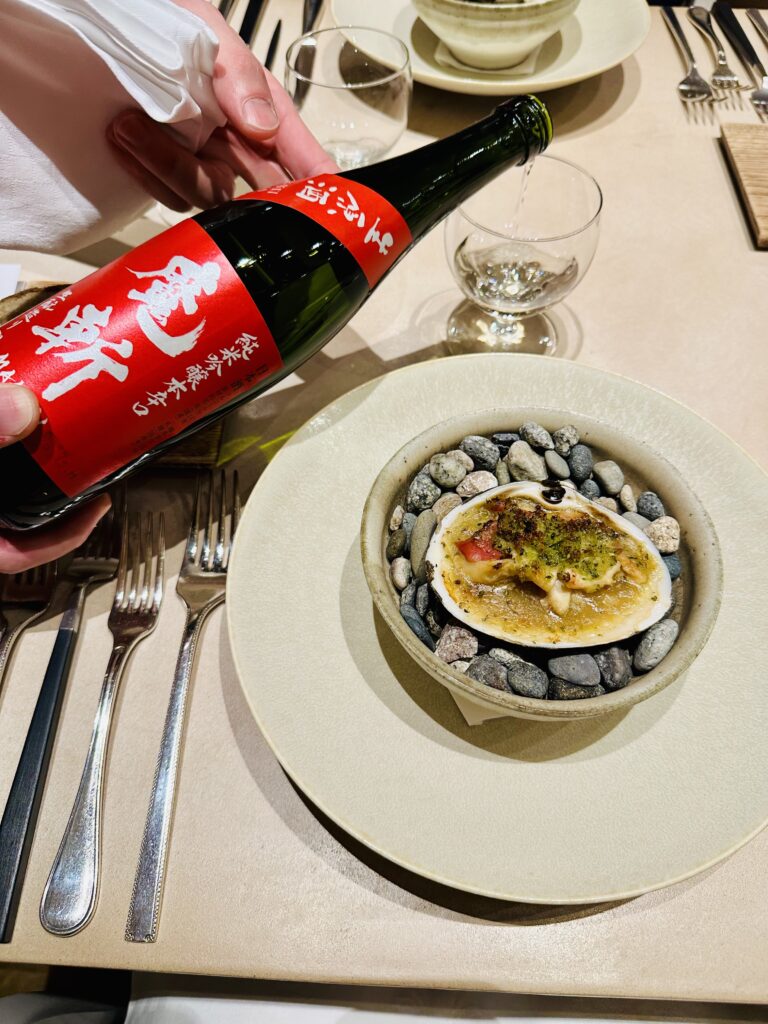
Short answer: Yes. Unpasteurized sake (nama sake) is safe to drink when it is properly produced, refrigerated, and handled. It is more delicate than pasteurized sake, but not inherently unsafe.
What Is Unpasteurized (Nama) Sake?
Most sake is pasteurized once or twice to stabilize flavor and shelf life. Unpasteurized sake, often labeled nama or draft sake, skips one or both pasteurization steps. This preserves active enzymes and yeast-derived compounds, resulting in brighter aromatics, fresher flavors, and a more vivid expression of fermentation.
Pasteurization in sake is about stability, not safety.
Is Unpasteurized Sake Safe to Drink?
Yes. From a food safety perspective, sake—pasteurized or not—is an inhospitable environment for harmful bacteria.
Why:
- Alcohol content (typically 14–16%) inhibits pathogens
- Low pH (acidic environment) limits bacterial growth
- Fermentation byproducts further reduce microbial risk
These same conditions apply to wine and beer, which are often consumed unpasteurized.
Why Does Unpasteurized Sake Require Refrigeration?
The concern with unpasteurized sake is quality loss, not safety.
Because enzymes remain active, nama sake can continue evolving, oxidize more quickly, and develop off-aromas if exposed to heat. This is why unpasteurized sake is handled as a cold-chain product from brewery to consumer.
Examples of Unpasteurized Sake
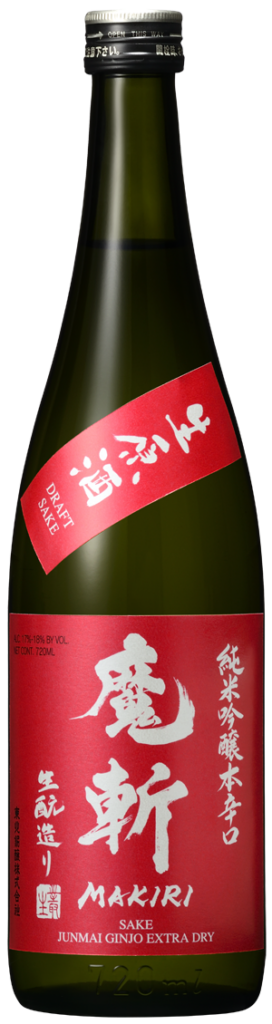
MAKIRI Junmai Ginjo Draft Sake
Brewed using locally grown Miyama Nishiki rice and the traditional kimoto method, Makiri Draft is bottled fresh and shipped under strict temperature control. Dry, sharp, and clean, it pairs well with yakitori, hot pot dishes, sushi, and sashimi.
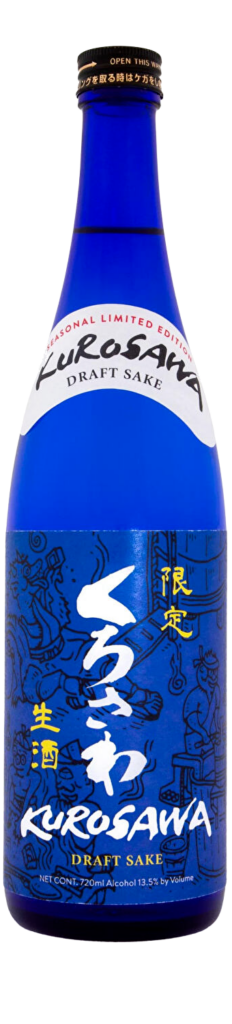
KUROSAWA Junmai Kimoto Draft Sake
A seasonal, unpasteurized version of Kurosawa Junmai Kimoto, released once a year for summer. Bright acidity and gentle sweetness make it refreshing when served chilled, either as an aperitif or with light vegetables and seafood. Alcohol: 13.5%
These sakes highlight an essential point: unpasteurized does not mean unsafe—it means fresh and time-sensitive.
Can Unpasteurized Sake Make You Sick?
For healthy adults, properly stored unpasteurized sake is extremely unlikely to cause illness.
Its risk profile is similar to:
- Fresh, unpasteurized wine
- Craft beer with live yeast
- Other traditionally fermented foods
People with compromised immune systems should follow general medical advice regarding alcohol consumption.
How Should Unpasteurized Sake Be Stored?
To keep unpasteurized sake safe and enjoyable:
- Store refrigerated at all times
- Avoid heat and direct sunlight
- Consume shortly after opening (ideally within a few days)
How to Tell If Unpasteurized Sake Has Gone Bad
Use your senses:
- Smell: sharp sourness, sulfur, or vinegar notes
- Taste: unpleasant bitterness or aggressive acidity
- Appearance: unusual haze or sediment (unless labeled nigori)
When in doubt, do not drink it.
Final Verdict: Is Unpasteurized Sake Safe?
Yes. When fresh, refrigerated, and responsibly handled, unpasteurized sake—such as Makiri Junmai Ginjo Draft or Kurosawa Junmai Kimoto Draft—is as safe as any other alcoholic beverage.
The difference isn’t danger.
The difference is life.